

Why Kurukan?
Our name is not arbitrary. It is a declaration of intent.
In 1236, under the great Manden tree in present-day Guinea, Soundjata Keïta convened the assembly that would proclaim the Kurukan Fuga Charter, the world’s first constitution, decades before the Magna Carta. This extraordinary document established fundamental principles that resonate powerfully today:
- the inviolability of human life
- the abolition of slavery
- the protection of women and children
- the right to education
and the freedom of trade and movement
For eight centuries, this Charter was preserved not in libraries or archives, but through oral tradition passed from generation to generation by griots, the living memory of West Africa. In 2009, UNESCO recognized it as Intangible Cultural Heritage of Humanity, affirming what Africans have always known: Africa has been a continent of law, knowledge, and sophisticated governance long before colonization attempted to erase that truth.
We chose the name Kurukan because we see our mission as a continuation of that legacy. Just as the griots transmitted the Charter across centuries without writing, we transmit African thought across borders through multilingual publishing. Just as the Charter proclaimed universal principles in 1236, we publish works that speak to the entire continent not just Francophone, Anglophone, or Lusophone Africa, but all of Africa, in all its voices.
The spirit of 1236 lives in every book we publish: the belief that knowledge belongs to all, that no language should be a barrier, and that Africa’s intellectual sovereignty begins when Africans can read, think, and build in their own words.
PAN-AFRICAN VISION
A Publishing House Built for the Whole Continent

From the Mediterranean to the Cape
Our vision encompasses all of Africa — North, West, East, Central, and Southern. No region excluded, no language forgotten.
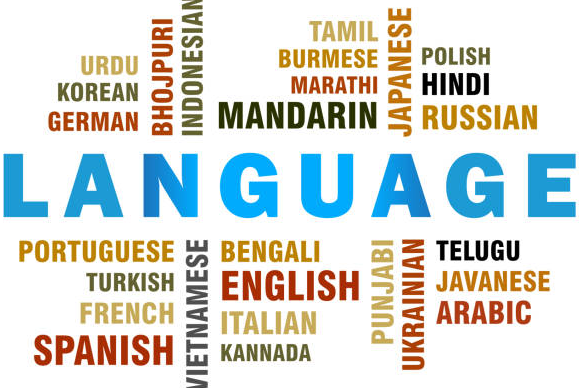
Official Languages Today
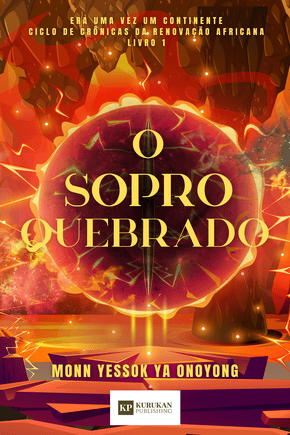
French, English and Portuguese — three languages representing over 600 million Africans — are our starting point, not our destination.
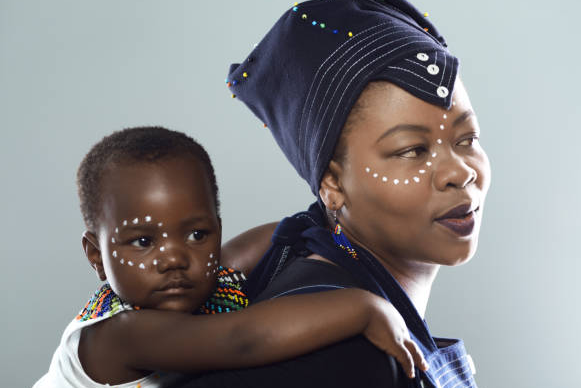
Mother Tongues Tomorrow
Arabic, Swahili, Hausa, Yoruba, Amharic and the thousands of languages that carry Africa's living heritage are the horizon we are building toward.

Publishing house
Our Editorial Philosophy
Legal Identity & Commercial Brand
Our Editorial Philosophy
We publish in three domains:
Fiction
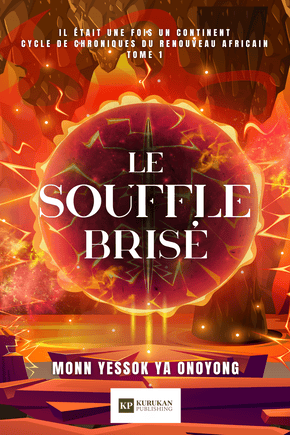
Contemporary and historical novels, chronicles, and literary works that explore African life as it is lived, not as it is imagined elsewhere. We seek narratives that capture the texture of experience: the tension between tradition and change, the weight of history, the pull of aspiration.
Essays
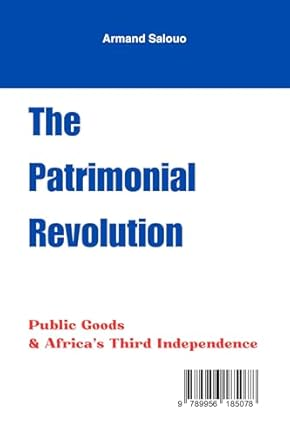
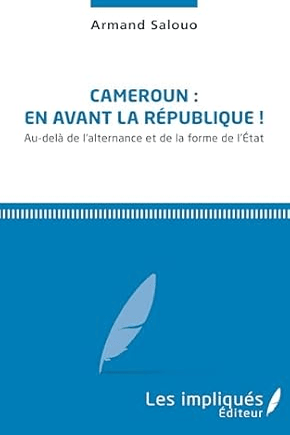
Critical analyses of governance, economics, society, and the challenges shaping the continent today. We publish authors who ask difficult questions and propose answers grounded in African contexts, not imported frameworks.
Social Sciences
Rigorous research on politics, finance, technology, artificial intelligence, and the transformations reshaping African societies. We believe scholarship produced on the continent should be accessible on the continent in the languages Africans actually speak.


